
When the Taps Run Dry: Understanding UK Hosepipe Bans and Who's Affected
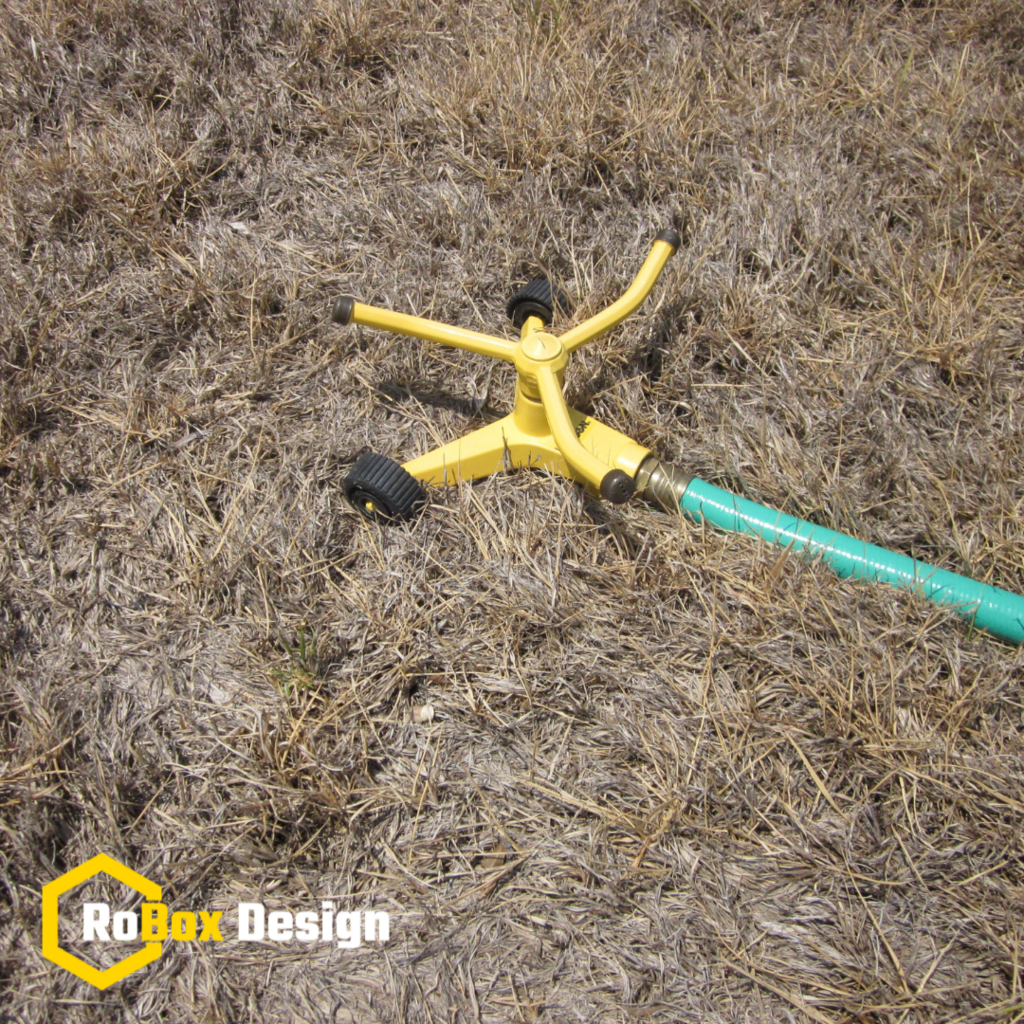
The British summer, while often a mixed bag of sunshine and showers, can occasionally bring prolonged dry spells that push our water resources to the limit. When this happens, a familiar measure comes into play: the hosepipe ban. Far from being a mere inconvenience, these "Temporary Use Bans" (TUBs) are a critical tool for water companies to manage dwindling supplies and protect our precious natural environment.
Why Do We Have Hosepipe Bans?
The UK relies heavily on rainfall to replenish its reservoirs, rivers, and underground aquifers. When rainfall is significantly lower than average for an extended period, especially coupled with high demand during hot weather, water levels can drop dangerously low. This triggers water companies to implement hosepipe bans to reduce demand and conserve supplies.
The Environment Agency, working with water companies, monitors water levels constantly. A drought declaration, which has recently been made in several parts of England, is a serious sign that water resources are under severe pressure. Hosepipe bans are generally the first step in a water company's drought plan.
Who's Under a Ban Right Now?
Following an exceptionally dry spring and high demand during hot weather, several water companies in the UK have implemented or announced hosepipe bans. These "Temporary Use Bans" (TUBs) are a key part of their drought plans to conserve water resources.
As of mid-July 2025, the following water companies have applied or are about to apply hosepipe bans:
- Yorkshire Water: A ban has been in effect since July 11, affecting 5.5 million customers across the region.
- South East Water: A ban will come into force on July 18, impacting 1.4 million customers in Kent and Sussex.
- Southern Water: A ban will be implemented from July 21, affecting nearly one million customers in Hampshire and on the Isle of Wight.
- Thames Water: A ban is scheduled to begin on July 22, affecting 1.1 million people in parts of Swindon, Gloucestershire, Oxfordshire, Berkshire, and Wiltshire.
What Exactly Is Restricted?
While the specifics can vary slightly between water companies, a hosepipe ban typically restricts the use of a hosepipe (including sprinklers, pressure washers, and automatic irrigation systems) for a range of domestic and non-commercial activities. Common restrictions include:
Watering gardens and plants: This applies to most domestic gardens, parks, lawns, and even allotments. However, you can generally still use a watering can, bucket, or drip irrigation system, and there are often exemptions for newly laid turf or plants, or those grown for commercial purposes.
Cleaning private motor vehicles or boats.
Filling or maintaining domestic swimming pools, paddling pools, hot tubs, or cold-water plunge pool
Drawing water for domestic recreational use.
Filling or maintaining domestic ponds or ornamental fountains.
Cleaning walls, windows, paths, patios, or artificial outdoor surfaces.
It's important to remember that these bans target continuous, high-volume water usage. Essential indoor use, like drinking, cooking, and washing, is never restricted. You can also typically use water from a water butt or other non-mains source with a hosepipe.
The Impact on Everyday Life
For many, a hosepipe ban means a shift in habits. Lawns might turn brown, cars might stay dirtier for a while, and children's paddling pool fun might be replaced by bucket-and-sponge antics. While seemingly minor, these changes collectively make a significant difference. Research suggests that TUBs can reduce the amount of water companies put into their distribution network by 3-5%, which is a substantial saving when supplies are low.
Beyond the immediate changes, hosepipe bans serve as a stark reminder of the finite nature of our water resources and the growing impact of climate change. Public awareness campaigns that accompany these bans often encourage broader water efficiency habits, like taking shorter showers and turning off taps, which are beneficial at all times.
Penalties for Breaking the Rules
Water companies are responsible for enforcing hosepipe bans. While initial breaches might result in a warning, persistent or deliberate misuse can lead to a fine of up to £1,000 under the Water Industry Act 1991.
Looking Ahead
As the UK experiences more frequent and intense dry spells, hosepipe bans may become a more common feature of our summers. Water companies are investing in infrastructure and working to reduce leaks, but there has been some bad press about the governance and lack lustre approach to leak repair. It still requires individual water-saving efforts to conserve water.
Always check with your local water provider for the most up-to-date information on hosepipe bans and specific restrictions in your area.